Rural Minpaku and Farm Stays in Japan: 5 Steps for Solo Travelers
Plan a solo stay at a rural minpaku, farmhouse guesthouse or farm stay in Japan, including room checks, activities, transport without a car and host questions.
今回の更新内容
Added a practical guide to rural minpaku and farm stays for solo travelers, including booking questions and transport checks.
Quick answer: start with one night, a private room and confirmed transport
If you want to stay in the Japanese countryside, try a rural minpaku, farmhouse guesthouse or farm stay. For a first solo trip, our suggestion is simple: book one night, confirm whether your sleeping space is private, and arrange meals and return transport before paying.
You may encounter the word nohaku, meaning rural stays that combine accommodation with local food and experiences. It does not automatically mean sleeping in a farmer's own home or taking part in farm work. Check the accommodation and the activity separately. Japan's Ministry of Agriculture, Forestry and Fisheries: rural tourism
Step 1: choose a holiday experience or a working stay
| Style | Best suited to | Check before committing |
|---|---|---|
| Rural minpaku or farmhouse guesthouse | A quiet countryside stay with local interaction | Private room, shared areas, meals, transfers and one-guest booking |
| Farmhouse guesthouse with an activity | A short trip with farming, meals and conversation | Solo bookings, activity dates, meals and extra fees |
| Accommodation plus a separate farm activity | More control over room facilities and downtime | Availability of both bookings and travel between them |
| Work-based placement | Travellers specifically looking to undertake a job | Eligibility, duties, working hours, pay and accommodation |
A farmhouse guesthouse may be described as a nouka minshuku. Do not assume the term guarantees a private bathroom, meals or an included harvesting session.
Otetsutabi is a work-and-travel service, not an ordinary sightseeing activity. Its official introduction describes paid work with free accommodation; travel to the destination is at the participant's expense. Listings cover several industries, not only farming. Read each placement's conditions before applying. How Otetsutabi works
For international visitors, do not treat a work placement as interchangeable with a tourist booking. Check the service's eligibility requirements and your permission to undertake the proposed work before applying.
Write down your departure point, dates, number of nights, transport and preferred experience. Wanting a little farming and plenty of quiet time is a valid starting point.
Step 2: shortlist two or three places for one adult
Use STAY JAPAN's farming experience listings as a starting point, then check your dates for one adult. Properties have different minimum booking requirements. A price quoted per person is not proof that a single guest can book.
If you already have a region in mind, start with the ministry's rural tourism information and follow regional information to the relevant host or local contact. An information page is not necessarily a booking service.
Useful Japanese search terms include 民泊 一人 田舎 for rural minpaku for one person, 農家民宿 一人 for farmhouse stays, 農泊 農業体験 for rural stays with farming, and 送迎 for transfers. Add your preferred region to narrow the search.
Confirm three separate things: a room is available, one guest is accepted, and your chosen activity can run on that date. A whole-house rental may accept one person but charge for the entire property.
Step 3: ask seven questions before booking
1. Can one person stay and join the activity?
The room may accept one guest while the activity requires two or more participants. Ask whether you can join another group and what happens if the minimum group size is not reached.
2. What will actually happen on my dates?
Ask about the task, duration, beginner suitability and physical demands. Crops and weather affect the schedule. Confirm the language used for instructions; do not assume English support is available. Mention any difficulty with bending, lifting or spending time outdoors.
3. What is included in the total price?
Check accommodation, breakfast, dinner, activities, equipment and transfers. Compare the full trip cost, including travel and local transport, rather than the nightly room rate alone.
4. What is private, and what is shared?
Ask about a private or shared room, room locks, bathrooms, toilets, bedding and towels. If meeting the farmer is important to you, ask whether a shared meal or conversation is part of the plan. Also check whether communal cooking or social activities are optional.
5. How will meals work?
Confirm meal times and where to get food if meals are not included. Discuss allergies or dietary restrictions before booking instead of assuming the host can accommodate them. Check opening hours and access to any nearby shops.
6. Can I get there and back without a car?
Confirm the exact pickup point, reservation requirements, transfer charge and operating times. Plan the return journey as carefully as arrival. Check bus operating days and last departures, and save a contact number in case you miss a connection.
7. What happens if the activity is cancelled?
Ask about rain alternatives, notification times, activity refunds and the separate accommodation cancellation rules. You can also ask what accident cover, if any, applies during the activity and what its limits are.
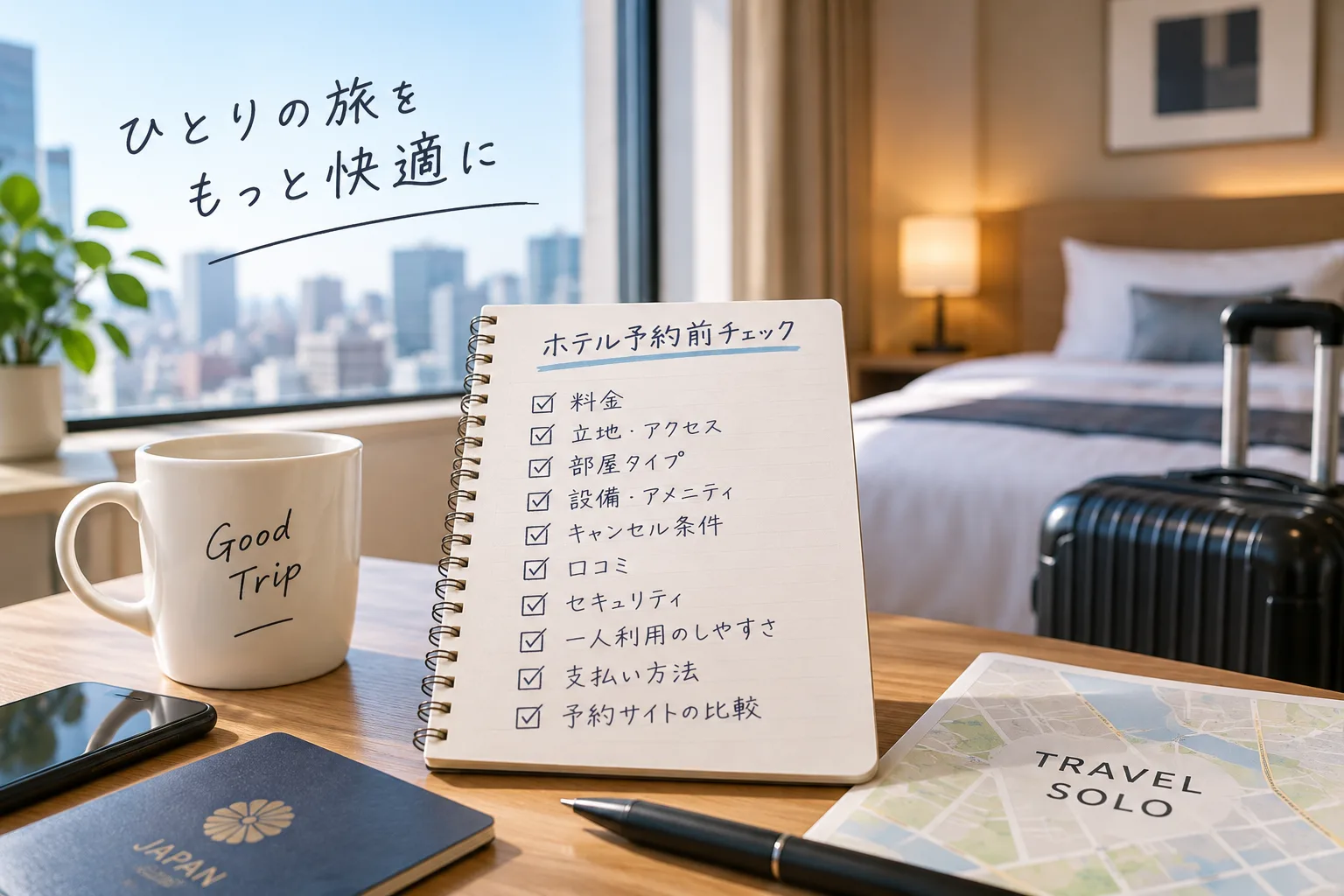
For general accommodation checks, see our solo hotel booking checklist. If you are new to searching for one-person accommodation, start with how to find hotels for one person in Japan.
Step 4: send a short enquiry, then confirm both bookings
Sample message to the host
Hello, I would like to stay for one night on [date], travelling alone. I am new to farming and would like a short beginner-friendly activity. If available, I would also enjoy a meal or conversation with the host.
Can one guest book both the room and the activity? What activity is planned, how long does it last, and what is the total price including accommodation, dinner, breakfast and the experience? Is the room private, and are the bathroom and toilet shared?
I plan to arrive at [station] at [time]. Is a transfer available, what does it cost, and can I arrange a return transfer? Please also let me know about equipment, clothing, wet-weather arrangements and the language used for activity instructions.
Keep requests short and specific if using translation tools. Wait for clear confirmation of essential arrangements. An enquiry is not a confirmed booking; if the farm activity has a separate operator, confirm that reservation too. Save booking confirmations, payment terms, cancellation deadlines and contact details offline.
Step 5: pack for the activity and arrive in daylight
- Long sleeves, long trousers and spare clothes that can get dirty.
- Footwear suitable for the task; ask whether boots are needed and available in your size.
- Work gloves of the type recommended by the host.
- A hat, towel, drinking water, rainwear and weather-appropriate layers.
- Toiletries and other essentials not supplied by the accommodation.
- A charger, saved directions, booking details and contact numbers.
Use tools only as instructed. Ask before entering fields, picking produce or touching animals, and follow the host's hygiene rules. Get permission before photographing people or sharing pictures of private areas.
A possible one-night schedule
This is an example for planning, not an advertised package. Actual activities must fit the host's working schedule.
| When | Example plan |
|---|---|
| First afternoon | Arrive in daylight, hear the house rules and confirm your return transport |
| First evening | Have your reserved meal and join any agreed conversation or activity |
| Second morning | Breakfast and a pre-booked, short farming experience |
| Late morning or midday | Clean up, change clothes and leave by your arranged transport |
Leave time for changing and connections. Avoid packing a distant sightseeing excursion immediately after your first farming experience.
Frequently asked questions
Can a complete beginner join alone?
Look for a plan that explicitly accepts beginners and one participant. Check the minimum number for the activity separately from the room occupancy, and ask about the work and physical demands before booking.
Is a farm stay possible without renting a car?
Choose a property where public transport and confirmed transfers cover both directions. Do not assume transfers run daily. Arrange meals and any shopping needs as well as the journey to the property.
Can I meet farmers without doing farm work?
It depends on the plan. Explain that you prefer conversation or a shared meal and ask whether work is required. Hosts have their own daily duties, so extended conversation is not automatically available throughout your stay.
When can I harvest crops?
It depends on the crop, location and that year's conditions. Ask what is available on your actual dates instead of assuming a particular season guarantees harvesting. Consider other activities and rainy-day alternatives too.
Related guides
- How to find hotels for one person in Japan
- Solo hotel booking checklist
- How to choose a hotel for solo travel in Japan
- Hotel checklist for solo female travelers
Your first practical step
Decide your dates, transport and preferred countryside experience, then contact two or three suitable hosts. Confirm one-guest acceptance, the full cost, meals and return transport before committing. Choose a stay with room for both local interaction and time on your own.
Official information consulted
- Ministry of Agriculture, Forestry and Fisheries: rural tourism information
- STAY JAPAN: farming experience accommodation
- Otetsutabi: service introduction
Official information checked on October 2, 2026. Availability, activities, prices and participation requirements can change. Confirm the latest terms with the host or service when booking.